The Open House That Brookings Should Read as a Warning
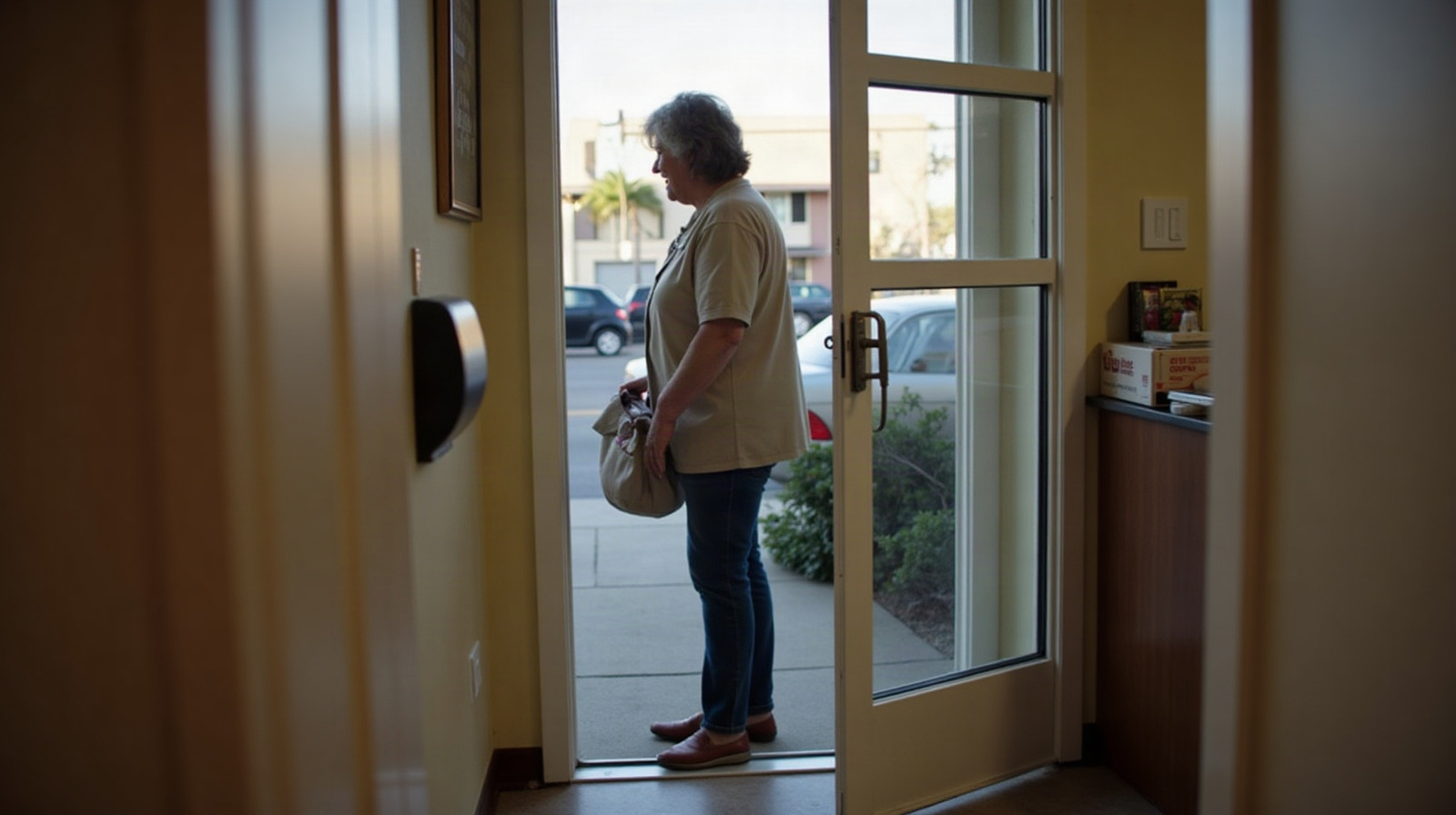
On October 6, Cornerstone Caregiving will throw open the doors of its new office for four hours of tours, refreshments, and a door-prize drawing. It is a pleasant, low-stakes community event, the kind of ribbon-cutting Brookings hosts routinely. But the arrival of another in-home caregiving company in this town is not merely a nice gesture toward neighborliness. It is a data point, and city hall should be reading it as one instead of treating it as a footnote to the calendar.
Brookings likes to think of itself as a young town, and in one sense it is. South Dakota State University keeps the median age artificially low on paper, filling the city with twenty-year-olds who cycle through in four-year bursts. But strip out the student population and look at the rest of the community, and a different picture emerges: a graying town, like most of rural South Dakota, where the number of residents who need help bathing, cooking, and getting to appointments is growing faster than the infrastructure built to support them. Cornerstone Caregiving is not the first home-care company to set up shop here in recent years, and it will not be the last. That pattern deserves more scrutiny than a punch-and-cookies open house tends to invite.
The problem is not that caregiving businesses are opening. It is that their growth is happening in a vacuum, disconnected from the planning decisions the city is actually making. Look at what occupied the council's attention this fall: a conditional use permit for a home office, the dissolution of a tax increment district, the termination of a development agreement with a private corporation. These are the unglamorous mechanics of municipal governance, and they matter. But nowhere in that agenda is a serious conversation about whether Brookings' sidewalks connect aging residents to the clinics and caregiving offices multiplying around town, or whether Dial-a-Ride service can keep pace with a population that is losing its ability to drive faster than the city is losing its ability to notice.
Consider the walk-in flu shot clinic Avera Brookings runs during standard business hours, Monday through Friday. It is a genuinely useful service. But it also assumes a client who can get to a clinic on foot, by car, or with someone willing to drive them. For a growing number of Brookings residents, that assumption is already false, and it will be false for more of them next year, and the year after that. The city's health and caregiving infrastructure is expanding. The transportation and pedestrian infrastructure meant to connect people to it is not expanding at the same rate, or in some cases at all.
This is where Brookings should be more demanding, not less. When the council uses tools like tax increment financing to attract development, or negotiates development agreements with outside corporations, it has leverage it is not using. It could require age-friendly design standards from developers who benefit from public incentives: wider sidewalks, better lighting, curb cuts that actually meet code rather than technically satisfying it. It could extend Dial-a-Ride hours to match the actual schedules of caregiving appointments rather than the schedules of downtown business hours. None of this is exotic. Plenty of Midwestern towns facing the same demographic math have started doing exactly this. Brookings has not, because nothing on its agenda forces the question.
An open house with door prizes is an easy thing to attend and an easy thing to forget. The temptation is to file it under “nice things happening in town” and move on to the next item on the community calendar. But Cornerstone Caregiving's arrival, layered on top of the flu clinic, the disability committee's ongoing work, and the caregiving businesses that came before it, adds up to something the city has not yet named out loud: Brookings is becoming an older town, and its physical infrastructure has not caught up. The ribbon-cutting is worth attending. The question it raises is worth answering.