Brookings Should Set Trail Speed Limits Before the Trails Do It Themselves
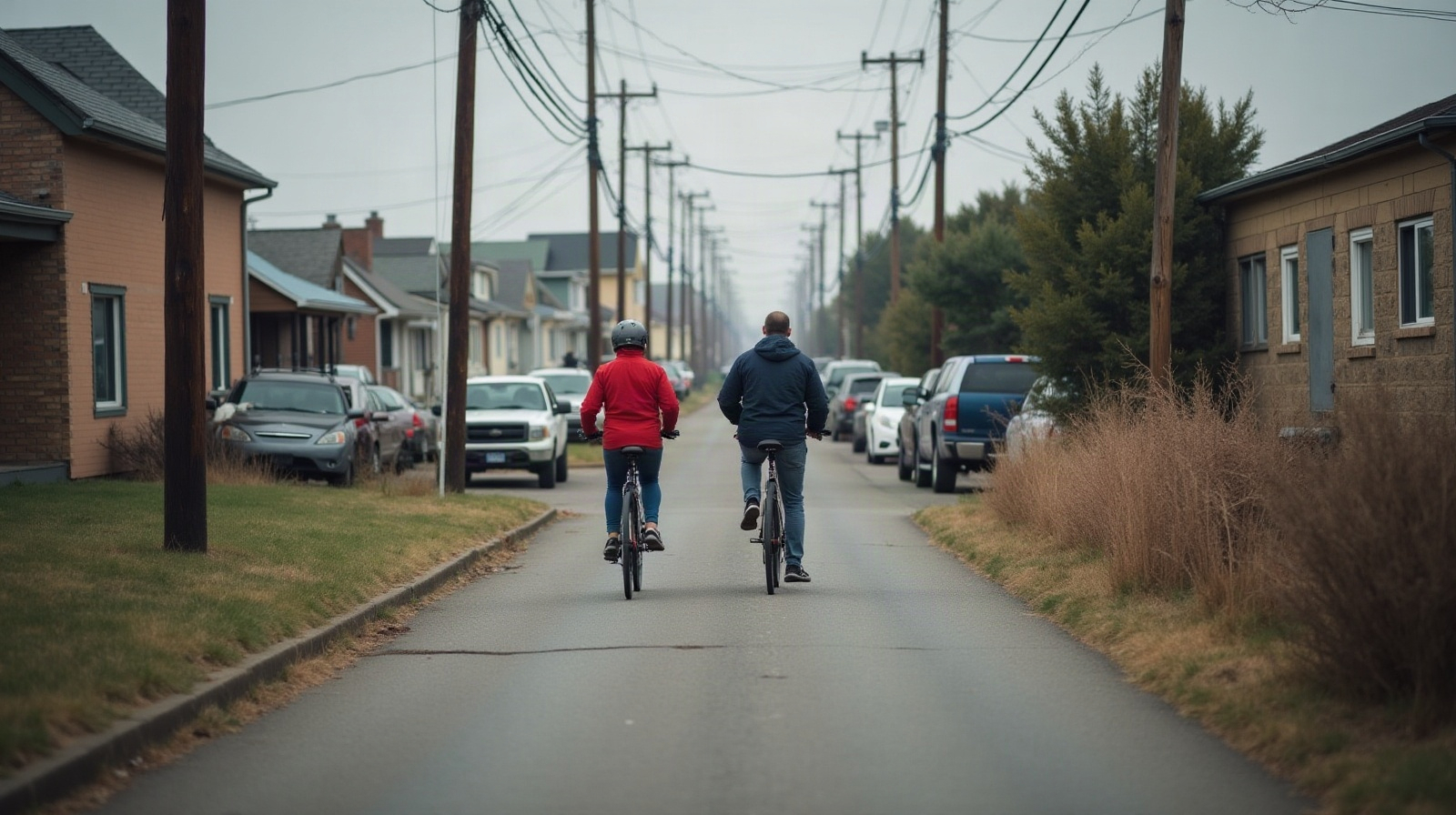
The Brookings City Council will spend part of its September 15 meeting on something that sounds procedural but isn't: proposed ordinance changes governing electric bikes and scooters on the city's trails, sidewalks, and shared-use pathways. It's easy to file this under housekeeping, one more line item between a utilities briefing and an outside agency request. It shouldn't be filed that way. The council is being asked to decide, essentially, what a shared-use path is for, and it should decide before an accident forces the answer.
Here is the problem in plain terms. Brookings has built a genuinely good network of trails over the past decade, the kind of infrastructure that gets cited in every quality-of-life pitch the city makes to prospective residents. Those trails were designed with a fairly narrow set of users in mind: walkers, joggers, kids on bikes, someone pushing a stroller, maybe a longboard. E-bikes and scooters do not fit neatly into that category. A commuter e-bike can move at 25 to 28 miles per hour without much effort from the rider. A throttle scooter can do the same. Neither behaves like the bicycles the trail system was originally built to accommodate, and neither is currently addressed with any specificity in city code.
The temptation on a council agenda like this is to treat the ordinance change as a formality, something to wave through after the Missouri River Energy Services presentation and before public comment closes. That would be a mistake. Ordinances written vaguely now become the thing residents argue about later, usually after someone has already been hurt. A city that waits for an incident to define its own trail rules has effectively let the incident write the policy. That is not governance. That is damage control wearing governance's clothes.
The better path is for the council to set explicit terms now: a speed threshold appropriate to a shared path used by pedestrians and children, a clear classification of what counts as an e-bike versus a low-powered scooter versus something closer to a moped, and enforceable expectations about where each is permitted. This is not an anti-technology position. E-bikes are, on balance, a genuine public good. They get people out of cars, they extend the range of anyone who can't or doesn't want to drive, and they make a bikeable town more bikeable for more people, including older residents and those with physical limitations that rule out a standard bicycle. The point isn't to discourage e-bikes. It's to stop pretending that a 15-pound trail-legal bicycle and a 45-pound throttle-assisted bike traveling at nearly three times a jogger's pace belong under the same unwritten rule of “share the path and use common sense.”
Common sense is doing a lot of unpaid labor in cities that haven't updated their trail ordinances. It works fine until it doesn't, and when it doesn't, the disputes tend to break down predictably: the cyclist says the path is public and they were within any posted limit; the walker says nobody expects to get passed at 25 miles per hour six inches from a stroller. Both are right under an ordinance that never specified anything. That ambiguity isn't neutral. It quietly favors whoever is faster and more assertive, which is the opposite of what a shared-use path is supposed to guarantee.
Brookings has the advantage here of moving before the problem is acute rather than after. That's rarer than it should be in municipal governance, where reactive ordinances outnumber proactive ones by a wide margin. The council should use that advantage. Set a specific, defensible speed limit for motorized trail users. Define the categories clearly enough that enforcement isn't guesswork. And do it in public, with the kind of comment period this issue deserves, rather than let it slide through as one presentation among three on a busy Tuesday agenda.
The residents who use these trails every morning, on foot, on bikes, pushing kids in strollers, are the ones who will live with whatever the council decides, or fails to decide. The least the city owes them is a rule that exists before the next fast bike goes by too close to be comfortable, not one written afterward to explain what already happened.