The Forum That Filters Its Own Democracy
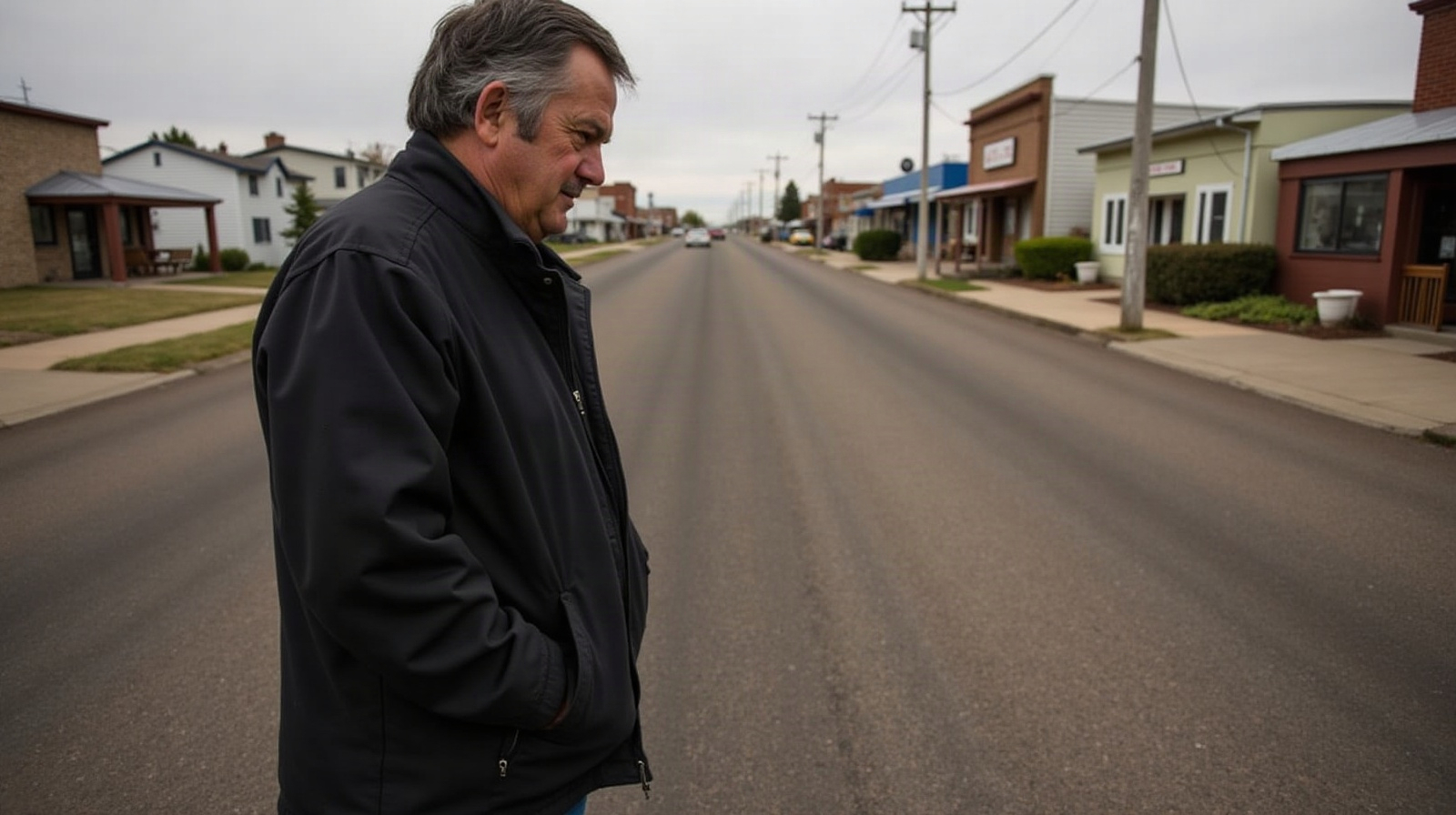
Three candidates are running for two open seats in South Dakota's District 7, and next month Brookings voters get a chance to hear from all of them in one room. That's good news. The format, though, deserves scrutiny before anyone calls it accountability.
The District 7 Candidate Forum will run an hour, from 5:30 to 6:30 PM, on the third floor of the City-County Government Center. Voters can show up in person. They can also submit written questions, including questions sent in advance of the event. The whole thing will be broadcast live on the city's television channel, then rebroadcast, then posted to YouTube the following Monday. It is, on paper, one of the more accessible pieces of civic programming Brookings puts on all year.
But look closer at the mechanism. Questions submitted in writing, especially those submitted ahead of time, pass through someone's hands before they reach a candidate's mouth. Somebody decides which questions get read aloud and which don't. Somebody decides the order. Somebody decides whether a pointed follow-up gets asked when a candidate dodges the original question, or whether the moderator simply moves on to the next card. None of this is necessarily done in bad faith. It's how nearly every candidate forum in small-town America operates, and Brookings is not unusual for doing it this way. That's exactly the problem. The format has become so standard that nobody stops to ask what it costs.
What it costs is friction, and friction is the entire point of a candidate forum. A representative democracy doesn't run on candidates delivering prepared remarks to a curated set of questions. It runs on candidates being caught off guard, pressed on inconsistencies, and forced to answer the question that was actually asked rather than the one they wish had been asked. A written-question format, especially one that accepts submissions in advance, gives candidates and moderators time to sand down exactly the kind of question most likely to produce an honest, unscripted answer. The result can look like engagement while functioning more like a press release with an audience.
Defenders of the format will point out, correctly, that it lowers the barrier to participation. Not everyone wants to stand up in a government center and ask a state house candidate a question in front of a camera. Written submission lets a shy retiree, a parent who can't get childtime coverage, or someone with speech anxiety take part on their own terms. That is a genuine good, and no argument for a better forum should throw it away.
But accessibility and accountability are not the same virtue, and Brookings has let the first one quietly stand in for the second. The fix isn't complicated. Keep the written submission option for anyone who wants it, but require the moderator to ask at least one live follow-up per candidate per question, on air, without advance notice of what it will be. Reserve a portion of the hour, even just fifteen minutes, for audience members present in the room to ask a question directly and hear the candidate respond without a card in between. It would cost nothing and change everything about what the broadcast actually captures.
Brookings Regional Growth Alliance will post the recording to YouTube the Monday after, which means this forum will outlive its hour. People who never set foot in the government center will judge these three candidates by what that footage shows them. That's precisely why the format matters more than it might seem to. A forum engineered for smoothness produces smooth footage and tells voters almost nothing about how a candidate handles pressure, which is the single most relevant skill for anyone about to spend two years voting on bills they didn't write.
Two seats are open. Three people want them. The public deserves to watch all three get asked something they didn't see coming.