The Butterfly With a Barcode Comes to Brookings
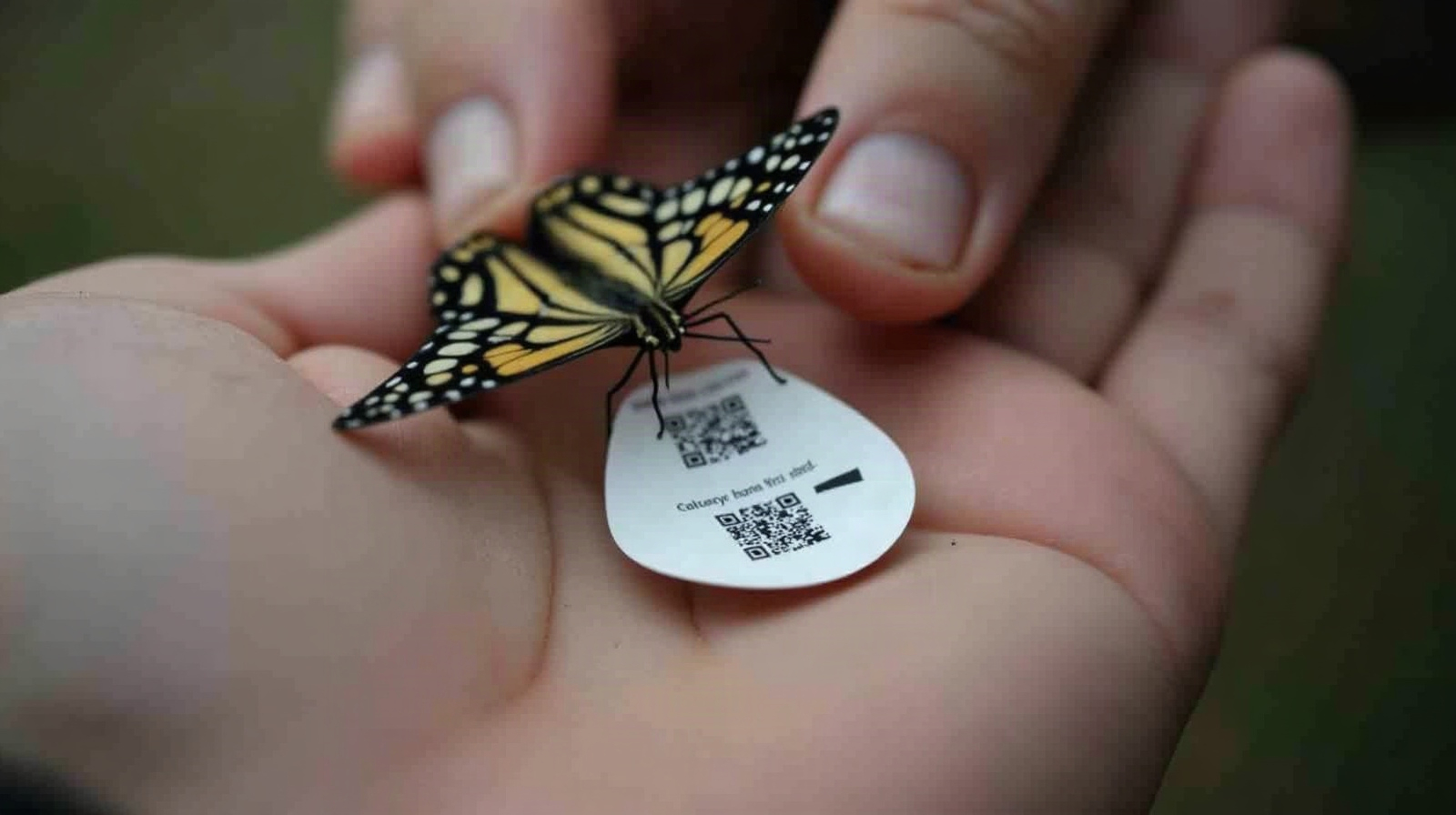
Saturday morning at Brookings' Insect Festival, somewhere between the cockroach races and the edible-insect table, there will be a folding table with tiny circular stickers no bigger than a hole punch mark. A volunteer will hand a child a monarch butterfly, gently pinch its wing, and press one of those stickers onto a patch near the wing's edge called the discal cell. The butterfly will flutter off looking almost unchanged. That sticker is a tag, and it is one of the more elegant pieces of citizen science most people never think about.
Here is the puzzle it solves. Every fall, monarch butterflies born in backyards and roadside ditches across the northern Great Plains, including around Brookings, begin flying south. None of them has made the trip before. The monarchs that migrate are several generations removed from the ones that flew north the previous spring, so there is no butterfly alive that remembers the route. Yet they arrive, reliably, at the same overwintering grounds their great-great-grandparents used. How do scientists even confirm that, let alone study it, when the animal in question weighs about as much as a paperclip and cannot be radio-collared like a deer?
The tag is the answer, and the logic behind it is a version of something statisticians call mark and recapture. It sounds fancier than it is. Imagine trying to count fish in a pond without draining it. You catch a hundred fish, mark them, and release them. Later you catch another hundred and see how many are marked. If five percent of your second catch bears a mark, you can estimate that your original hundred marked fish represent about five percent of the whole population, which lets you back into a total. Wildlife biologists use the same idea for everything from deer herds to songbirds. With monarchs, the “recapture” often happens thousands of miles away, when someone at a distant overwintering site finds a tagged wing and reports the tiny code printed on the sticker to a national database.
The numbers involved are humbling. Fewer than one percent of tagged monarchs are ever reported found again. That is not a flaw in the method so much as an honest reflection of how vast the search space is: a butterfly weighing half a gram, navigating open sky for weeks, aiming for a specific patch of forest it has never seen. Every single recovery, rare as they are, is a data point that helps researchers reconstruct migration routes, timing, and how weather and habitat loss along the way affect the population's odds of making it.
None of that requires a lab coat. The tagging table at Saturday's festival, running from 10 a.m. to 5 p.m. alongside insect crafts, garden tours, and a pollinator costume parade, is staffed largely by volunteers and open to families. Kids do the actual pinching and pressing, under supervision, because the tags are light enough and the placement forgiving enough that an untrained hand does the butterfly no harm. It is one of the rare points where a grade-schooler's Saturday activity and an active continental research question are, quite literally, the same piece of paper.
Whether the specific monarch handled at the Brookings festival will ever be seen again is close to a coin flip stacked heavily against it, closer to a hundred-to-one shot. But that is exactly the appeal. Somewhere south, months from now, a stranger might find a small paper disc glued to a wing and type its code into a database, and a Brookings child's Saturday morning will quietly become a line in a scientific record that stretches across the whole migratory range of the species.
The rest of the festival, the cockroach races, the edible insects, the photo contest, will draw the bigger laughs. But the tagging table is the one place where the fun and the actual unanswered question of how a fragile insect finds its way home over a distance no individual has ever traveled sit on the same folding table, waiting for a five-year-old with steady hands.