The Nine O'Clock Democracy
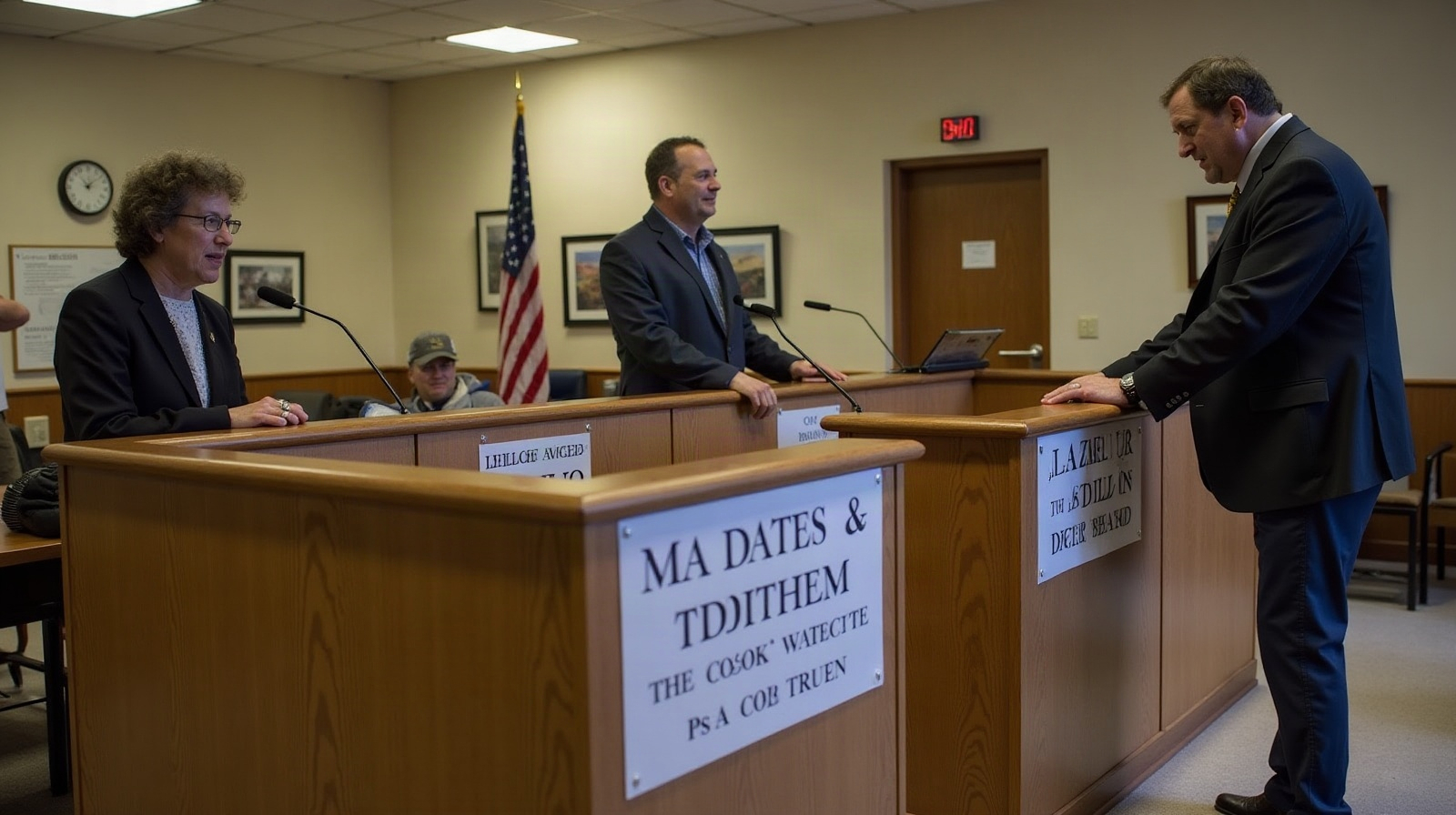
There is a particular kind of civic ritual happening at Brookings City Hall this month, and it is worth pausing on before the results are certified and everyone moves on to the next agenda. Two City Council seats and three County Commission seats are open this cycle, and the candidates running for them will appear together at a public forum that starts at 9 a.m. and runs, back to back, into a second forum immediately after. It will be broadcast live on the city's TV channel and posted to YouTube the following Monday, so no one is entirely shut out. But the choice of hour tells its own story about who local democracy in a college town actually expects to show up.
Nine in the morning on a weekday is not a neutral time. It is, for most working residents, the middle of a shift, a drop-off run, a lecture hall at South Dakota State. It works well for retirees, for people with flexible schedules, for the kind of civically engaged citizen who was probably already going to vote. It works less well for the people whose lives are most exposed to what the council and commission actually decide: renters navigating a new e-bike and scooter ordinance on the shared-use paths they ride to work, hourly employees affected by whatever comes out of Brookings Municipal Utilities' presentation on the Missouri River Energy Services Agreement, the family weighing outside agency funding requests that quietly determine which nonprofits keep serving them. The forum's content is substantive. Its timing is not built for the people most likely to be substantively affected.
This is not a scandal, and it would be lazy to treat it as one. Small-town governments run on volunteer labor and borrowed time, and the people organizing candidate forums are usually doing it as a side project bolted onto a full-time job. The Brookings Regional Growth Alliance posting the recording to YouTube is a genuine accommodation, not a fig leaf. But accommodation is not the same as access, and there is a meaningful difference between a forum you can watch after the fact and a forum you can ask a question at while the answer still might change your vote. The written and advance-submitted questions option helps close that gap somewhat, but it still asks the public to do the work of anticipating what they want to know before they've heard anyone else's answers.
What makes this worth writing about now, rather than treating it as background noise before every municipal election, is the contrast sitting right there on the same week's calendar. The council session two days later is packed with decisions that will outlast any single term: the Missouri River Energy Services Agreement is not a minor procedural item, it is the contract that shapes what Brookings pays for power for years to come. The trail and pathway ordinance changes for e-bikes and scooters will determine who gets sued, ticketed, or simply run off a shared path. These are not glamorous issues, but they are the issues a candidate forum exists to illuminate: not abstract character assessments but a chance to hear, out loud, how a person running for county commission thinks about a subdivision request or a road bond. A forum held at a time when only a slice of the electorate can attend live narrows the range of questions that actually get asked, because the room shapes the conversation as much as the candidates do.
None of this argues for canceling the forum or scolding its organizers. It argues for treating the hour on the clock as a policy choice with the same weight as anything on the council's own agenda that week. A 6 p.m. slot, or two forums split across a morning and an evening, costs more in organizing effort but buys something Brookings claims to want: an electorate that shows up informed rather than one that inherits decisions made in a room it wasn't in. Local elections are frequently decided by margins that would embarrass a homecoming vote, not because residents don't care, but because the machinery of civic participation quietly filters for the already-available.
Brookings is, by regional standards, a town that takes its own governance seriously: public comment periods, historic preservation subcommittees, televised meetings, a growth alliance that bothers to archive the forums at all. That seriousness is exactly why the scheduling question matters. A town that has built this much infrastructure for civic participation owes it to itself to ask, plainly, who that infrastructure is actually built for. The answer, this September, is whoever is free at nine.