Brookings Trains Itself to Be Watched
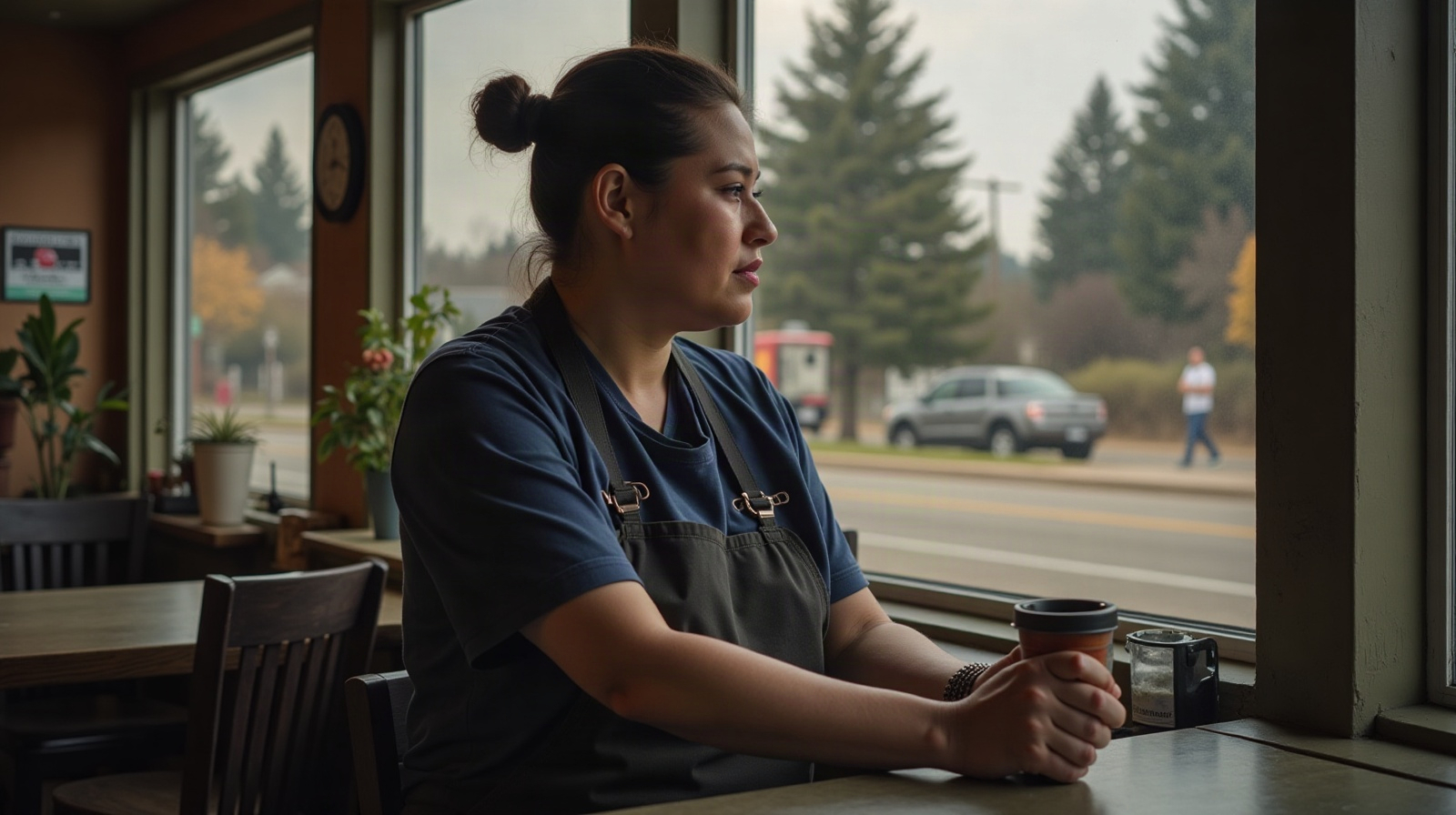
Twice this fall, local retail and hospitality staff will sit through a training session called Tourism Ambassador Certification. One version is billed simply as the last certification offered in 2026. The other is explicitly timed for game days, the Saturdays when thousands of visitors in maroon arrive for SDSU football and the town's population swells by a fraction that is small in absolute terms and enormous in concentrated effect. Employees learn how to direct fans to dining and entertainment, how to manage a rush that might triple normal foot traffic in the space of an afternoon, and how to turn a single visitor encounter into what the training materials call a positive experience, the kind that might bring someone back.
It would be easy to file this under routine workforce development, the sort of thing every college town with a football program eventually institutionalizes. But the existence of two distinct sessions, one for the ordinary tourist season and one calibrated specifically to the rhythm of home games, says something sharper about how Brookings understands itself. It suggests a town that has quietly split its own identity in two: the Brookings that exists for the people who live here, and the Brookings that gets assembled, rehearsed, and performed for the people who don't.
That second Brookings is not fictional. On a fall Saturday, Sixth Street and the stretch of downtown around the stadium genuinely do become something closer to a stage set, populated by a crowd that has no particular interest in the zoning commission or the library's summer reading numbers, only in where to eat, what to do for three hours before kickoff, and whether the person behind the counter can answer a question without hesitation. The training exists because that crowd is valuable and because the ordinary rhythms of small-town service, built for regulars who already know the menu and the parking situation, do not automatically scale to strangers. Teaching an employee at a coffee shop or a boutique how to handle a stranger's question about local attractions is, in effect, teaching them to see their own town the way an outsider sees it: as a set of gaps, unfamiliar signage, an unlabeled left turn, a business that closes earlier than expected.
What's notable is the ambition behind the seasonal version, the one aimed at turning seasonal shoppers into repeat customers. This is not simply about surviving a Saturday's chaos. It is about converting a town's temporary, performed self into something durable, an economic relationship that outlasts the visit. Brookings is trying to make its game-day face permanent enough that people choose to come back on an ordinary Tuesday, when there is no crowd to manage and no maroon jerseys to direct anywhere. The training, in other words, is not just hospitality instruction. It's an attempt to close the gap between the town's two selves, to make the performed version feed back into the real one.
There is a longer tradition behind this kind of split, though it usually belongs to places built for tourism from the start: resort towns, historic districts, cities with a French Quarter or a Freedom Trail, where the visitor economy occupies its own geography and locals can, if they choose, simply avoid it. Brookings doesn't have that luxury of separation. Its performed self isn't a district, it's the whole town for one day at a time, the same streets, the same shopkeepers, the same sidewalks that on Monday belong entirely to people who live here. The training exists precisely because there is no spatial buffer, no French Quarter to absorb the strain. Every employee who works a game-day shift is, for those hours, simultaneously serving a neighbor and performing for a stranger, and the certification is an attempt to make sure those two roles don't collide badly enough to cost the town money or goodwill.
What deserves more attention than it usually gets is what this rehearsal does to a town's self-image over time. A place that trains itself, twice a year, to be looked at eventually starts anticipating the gaze even when no one is watching. The habits built for the visitor, the polished answer, the redirected question, the practiced patience with a rush, do not stay contained to game days. They seep into the ordinary interactions the training was never meant to touch. Brookings is not simply teaching its workforce to handle strangers well. It is teaching itself, gradually and almost by accident, what it looks like from the outside, and a town that knows what it looks like from the outside rarely stays exactly the same on the inside.