The Night Brookings Turns the Volume Up on Silence
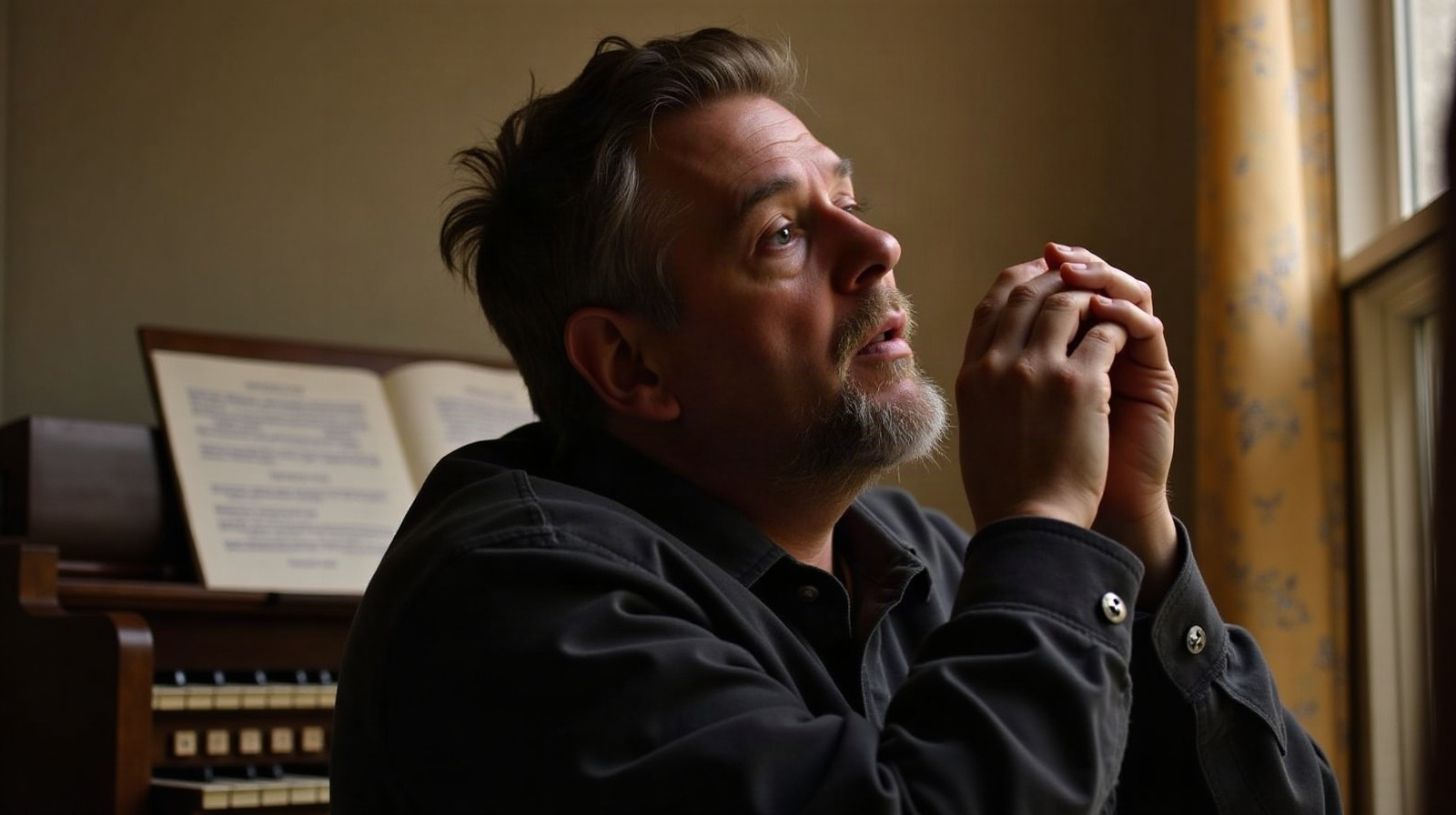
There is a particular kind of comedy in calling something “silent” and then hiring a man to make noise at it for two hours. This is exactly the plan for the sixth annual Silent Film with Pipe Organ night at SDSU, when Buster Keaton's 1926 locomotive farce “The General” rolls back into town accompanied, live, by Ben Model: a historian and improviser who has spent more than forty years filling the gaps between silent-film intertitles with music that nobody has ever heard before and nobody will hear quite the same way again.
Call it truth in advertising gone slightly sideways. The film is silent in the sense that no actor's voice will reach your ears. But a full pipe organ, the kind that can rattle a sternum two balconies back, is not exactly a quiet instrument. It was never meant to be. Back when “The General” first flickered onto screens, theaters hired organists precisely because audiences could not be trusted to sit through ninety wordless minutes without something filling the silence with feeling. The organ did the emotional labor dialogue does now. It still does, which is the quietly radical part of this whole affair.
Consider what passes for silence in 2026. It mostly means a phone turned face-down, notifications muted, the mind still humming along underneath like a transformer nobody remembers to shut off. Actual silence, the kind where a room full of strangers sits in the dark and reacts to the same joke at the same instant, has become almost exotic. We have engineered our way out of simultaneity. Everyone streams on their own schedule, pauses when the dog barks, rewinds the part they missed while checking a text. Ben Model's score cannot be paused. It will not exist tomorrow in the form it exists tonight, because he is not playing a recording, he is making decisions in real time, keyed to a man on a stolen train who has no idea a war is happening around him except insofar as it keeps interrupting his railroad.
That premise, incidentally, ought to land with particular sympathy in a county that still occasionally sits at a downtown crossing waiting for a freight train to decide it has somewhere better to be. Brookings was built partly by rail logic, laid out along lines meant to move grain and lumber and eventually people who needed somewhere to live near the grain and lumber. Keaton's General, the engine, is practically the film's co-star, and there is something fitting about a prairie town full of people who still organize their afternoons around a crossing gate turning out to watch a silent comedy that is, structurally, a two-hour chase scene involving a train nobody can quite control. Some things about infrastructure and obsession apparently cross a century just fine.
What the pipe organ supplies that no soundtrack ever quite manages is presence. It is one of the only instruments left that physically moves the air in a room rather than piping sound privately into two ears. Everybody present is, in a very literal sense, breathing the same vibrating atmosphere. Compare that to the ordinary Tuesday experience of entertainment, which has become almost aggressively personalized: your algorithm, your pace, your pause button. A room of people laughing together at a stone-faced man dangling from a train is not efficient. It does not scale. It cannot be clipped for social media without losing the entire point, which is that it happened once, together, and you had to be there.
Brookings spends most weeks running on agendas and three-minute comment periods, on commissions voting through resolutions with the careful, practiced patience of people who have learned that civic life mostly means showing up and signing in. Which makes it almost funny, intentionally so, that one night a year the town's most organized building hosts an event with no agenda at all beyond a man, a locomotive, an organ, and whatever reaction ripples through a dark room in real time. No minutes will be kept. No vote will be taken. The only motion on the table is the General herself, chugging gamely toward a punch line that still works a hundred years later, scored fresh, felt collectively, gone the moment the lights come back up.